
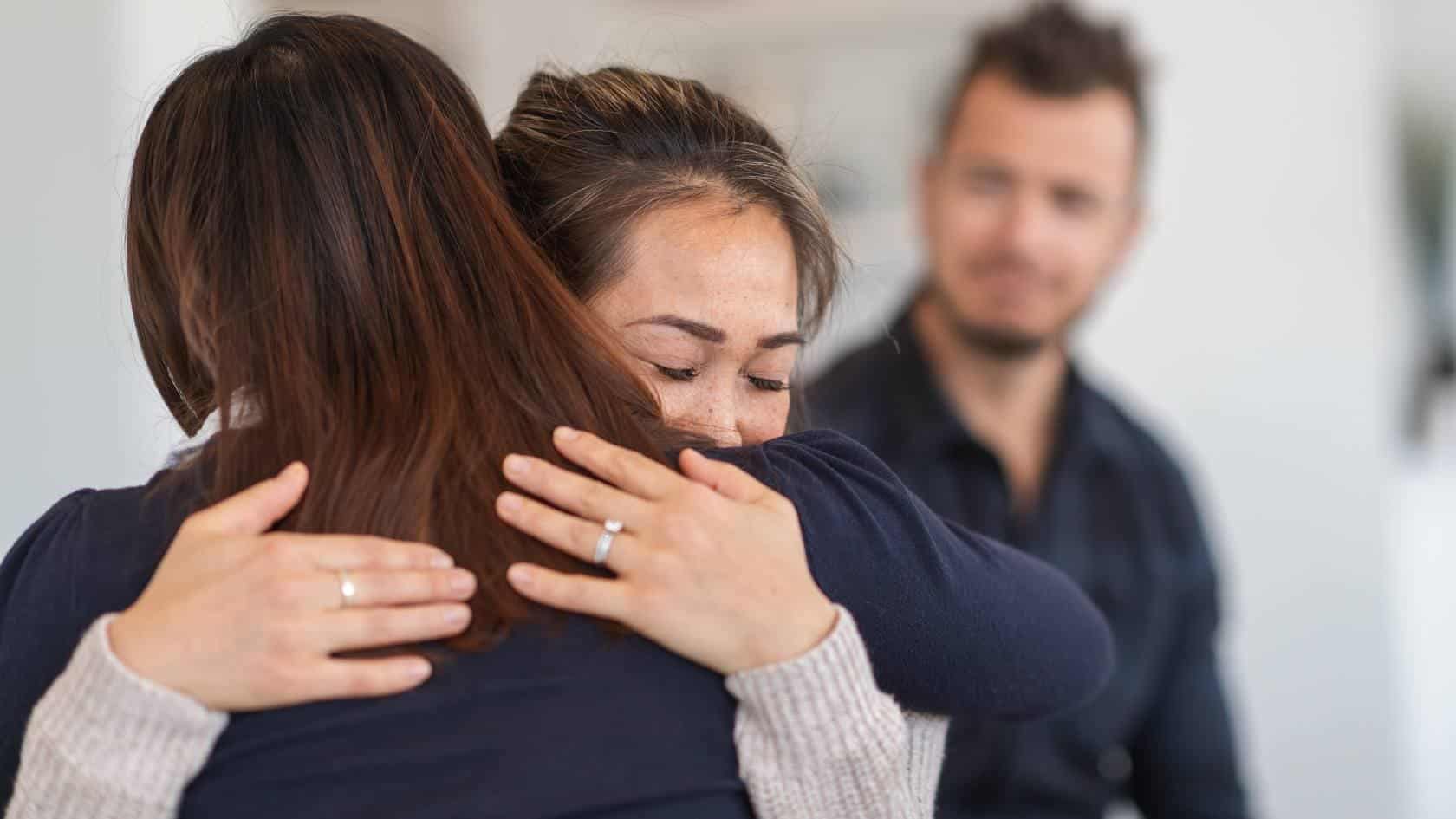
Opioid addiction continues to affect countless lives in South Jersey, touching families, workplaces, and entire communities. The rise in overdoses and dependence has left many feeling overwhelmed, but recovery is possible. South Jersey opioid addiction treatment at ShoreBreak Recovery provides a safe and supportive path forward for those ready to reclaim their lives.
Addiction does not define who someone is. It is a condition that alters the brain and fuels a cycle of cravings, withdrawal, and despair. We believe that treatment goes beyond addressing substance use alone. Through evidence-based therapies, peer support, and a community-driven approach, clients receive the tools they need to rebuild health, relationships, and a sense of purpose.
What Makes Opioids So Dangerous?
Opioids include prescription medications such as oxycodone, hydrocodone, and morphine, as well as illicit drugs like heroin and fentanyl. These substances bind to receptors in the brain and spinal cord, reducing pain while creating intense euphoria. While useful in medical care, their addictive potential is high, and misuse can begin even with a legitimate prescription.
As use continues, the body develops tolerance, requiring larger amounts for the same effect. Dependence soon follows, and withdrawal symptoms such as anxiety, muscle pain, restlessness, and nausea appear when the drug is not taken. The drive to escape both cravings and withdrawal often keeps individuals locked in the cycle of addiction.
Fentanyl has made the crisis even more dangerous. Dozens of times more potent than many opioids, it is often mixed into other substances without warning. Even small amounts can be fatal. This combination of tolerance, painful withdrawal, and overdose risk shows why South Jersey opioid addiction treatment centers are so important. With the right support, recovery is both possible and sustainable.
Recognizing the Signs of Opioid Addiction
Opioid addiction is not always obvious at first. It may begin with a prescription after an injury or surgery, or with recreational use that escalates quickly. Over time, subtle changes can grow into clear patterns that disrupt daily life. Recognizing these warning signs early can make a significant difference. Common indicators include:
- Intense cravings for opioids
- Using more than prescribed or using without a prescription
- Withdrawal symptoms such as nausea, sweating, or restlessness when not using opioids
- Declining performance at work, school, or home
- Secretive behavior or unusual changes in routines
- Financial or legal difficulties tied to substance use
These changes often extend beyond the individual. Families may notice a once-reliable loved one becoming distant or withdrawn. Social connections and responsibilities may be abandoned as opioids become the central focus.
It is important to remember that these shifts are not signs of weakness or moral failure. Drug addiction is a medical condition. With timely professional care, individuals can find their way back to health, stability, and meaningful relationships.
The Opioid Crisis in South Jersey
In 2023, New Jersey reported 2,816 overdose deaths, a decline from the year before but still a staggering toll. South Jersey has been especially impacted, with rising cases linked to fentanyl—a substance so potent that even trace amounts can be deadly. The crisis has strained families, healthcare systems, and communities across the region, underscoring the urgent need for effective treatment options.
ShoreBreak Recovery was founded to meet this need. By offering accessible South Jersey opioid addiction treatment, clients can receive high-quality care without leaving their support systems behind. This local approach allows individuals to stay connected to family, community, and daily responsibilities while gaining the structure and clinical support necessary for long-term recovery.

Programs That Support Every Stage of Recovery
Every recovery journey is different. Some people need intensive daily care, while others benefit from flexible support that fits around work or family. We offer a continuum of programs so clients receive the right level of care at the right time.
Partial Care Program (Day Treatment)
The most structured option, Partial Care, provides full-day therapy, counseling, and skill development. Clients return home in the evenings, maintaining family connections while building stability. This level is ideal after detox or for those needing strong daily accountability.
Intensive Outpatient Program (IOP)
IOP delivers several therapy sessions each week with a focus on relapse prevention, coping skills, and emotional wellness. Its flexible schedule allows clients to continue working, studying, or caring for loved ones while staying engaged in treatment.
Outpatient Program (OP)
The Outpatient Program offers less frequent sessions for those with a strong recovery foundation. It helps clients maintain progress, address challenges, and strengthen independence. Many use OP as part of aftercare to stay connected while moving forward with daily life.
Our tiered approach ensures that care adapts to each stage of recovery. Whether starting treatment or maintaining long-term sobriety, clients have access to the level of support they need.
Therapies and Support for Healing
Recovery is more than stopping opioid use. It is about rebuilding a healthier, more stable life. At ShoreBreak Recovery, evidence-based therapies and supportive services work together to address the emotional, mental, and practical challenges of addiction. Each plays a distinct role in long-term success.
- Cognitive Behavioral Therapy (CBT): Replaces harmful thought patterns with healthier coping skills.
- Dialectical Behavior Therapy (DBT): Builds emotional regulation, stress management, and relationship skills.
- Motivational Interviewing (MI): Strengthens personal motivation for lasting change.
- 12-Step Facilitation Therapy: Guides clients who choose to engage in peer recovery programs.
- Trauma-Informed Care: Creates a safe environment that acknowledges the role of trauma in addiction.
- Recovery Coaching: Offers encouragement and accountability from peers who understand recovery.
- Case Management: Provides support with housing, employment, and legal needs.
- Relapse Prevention: Teaches strategies to manage triggers and safeguard sobriety.
- Aftercare Coordination: Connects clients to therapy, sober living, and community resources after treatment.
At our center, these services are woven into personalized treatment plans. By combining clinical expertise with personal support, our South Jersey opioid addiction treatment programs give clients the tools to not only overcome opioid use but also thrive in their daily lives.

Addressing Addiction and Mental Health Together
Opioid addiction often comes hand in hand with mental health struggles such as anxiety, depression, or unresolved trauma. These challenges feed into one another, making recovery more difficult when treated separately.
That is why we take an integrated approach to co-occurring disorders. By addressing both substance use and mental health at the same time, clients can break free from the cycle that keeps them stuck. With therapies such as CBT, DBT, and trauma-informed care, clients learn to manage symptoms, process emotions, and build the stability they need for lasting recovery.
Healing Together as a Family
When someone is living with addiction, their family carries the weight too. Loved ones may feel powerless, frustrated, or unsure how to help. Over time, the strain can create distance at the very moment support is needed most.
We believe families play a vital role in the healing journey. Through therapy and education, loved ones gain a clearer understanding of addiction and learn healthy ways to support recovery. This process not only helps the individual in treatment but also strengthens the entire family, creating a more stable and supportive environment for long-term success.

Support That Lasts Beyond Treatment
Recovery does not end when treatment does. It is a lifelong process that works best with continued guidance and support. At ShoreBreak Recovery, clients leave with a plan that goes beyond the program itself, whether that means ongoing therapy, sober living, peer groups, or alumni support. These resources help keep recovery steady, even when life becomes challenging.
Having professional help along the way also makes recovery safer. Relapse and withdrawal can be dangerous, but with structure and accountability, clients are better equipped to face obstacles and protect their progress.
Cost should never prevent someone from seeking help. That is why we work with many insurance providers to make opioid addiction treatment as accessible as possible for those ready to begin.
With expert care, ongoing support, and fewer barriers to access, we give clients the best chance not only to achieve recovery but also to maintain it in their daily lives.