
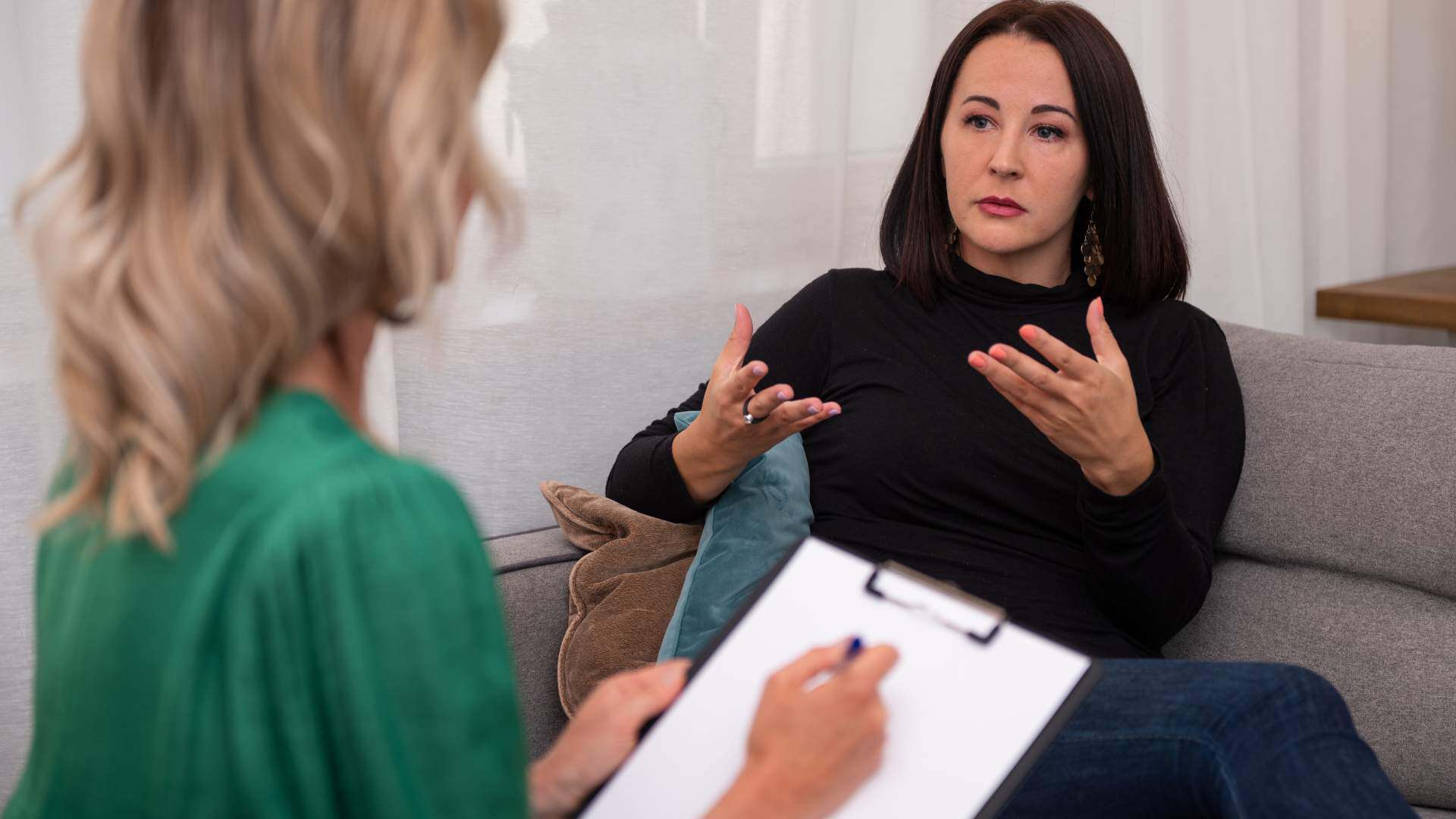
Klonopin is the brand name for clonazepam, a medication often prescribed for anxiety and seizures. It also carries a real risk of dependence with regular use. Many take it exactly as prescribed before noticing that the same dose no longer feels like enough. If you are looking into Klonopin addiction treatment in NJ, you have already taken the hardest step. ShoreBreak Recovery helps people safely work through benzodiazepine dependence without judgment. You do not have to wait until things get worse to ask for help.
What Is Klonopin?
Klonopin is a benzodiazepine, the same drug class as Xanax and Valium. It works by boosting a calming brain chemical called GABA, which takes the edge off anxiety and helps prevent seizures. The effectiveness is exactly the problem. Your brain gets used to the extra GABA activity fast. Once it does, going without Klonopin can feel almost impossible, even with a completely legitimate prescription. If you already know you are dealing with benzo addiction more broadly, Klonopin dependence looks and feels much the same.
How Addictive Is Klonopin?
Klonopin can be highly addictive, especially with daily use over several weeks or months. Tolerance builds quickly, so the original dose stops working as it once did. Once that happens, stopping can bring on uncomfortable withdrawal symptoms, which make quitting on your own difficult and sometimes dangerous. Understanding how addictive Klonopin is matters because the risk exists even for people who never intended to misuse it. The clonazepam addiction risk is real regardless of whether someone started using it recreationally or exactly as prescribed.
Prescription sedative misuse is more common than many think. According to the 2024 National Survey on Drug Use and Health, 4.6 million people misused prescription tranquilizers and sedatives. About 2.3 million of them met the criteria for a sedative use disorder. Roughly 510,000 individuals reported misusing clonazepam regularly. Klonopin also accounted for 15.2 percent of emergency room visits involving benzodiazepine overdoses in 2024. These numbers reflect just how common clonazepam addiction treatment has become across the country.
Klonopin Addiction Symptoms
Klonopin addiction symptoms often start small enough to explain away. You take an extra half pill on a rough day and tell yourself it will not become a habit. A few weeks later, the bottle is empty before the refill date, and you are not sure how. Maybe you feel more anxious than usual when a dose is late, even though Klonopin is meant to calm you. The change from taking it for anxiety to needing it just to function tends to happen quietly.
Coworkers might mention you seem tired all the time, even on days you slept fine. You lose your train of thought mid-sentence, or walk into a room and forget why. Combine Klonopin with alcohol or an old painkiller prescription, and breathing can slow down dangerously. Snapping at your partner over something small, or skipping plans you used to enjoy, can be part of the pattern. None of this makes you weak. It means your brain has adapted to something it was never meant to depend on for the long haul.

Klonopin Addiction Treatment Services at ShoreBreak Recovery
Effective treatment for Klonopin addiction goes beyond simply stopping the medication. Your body and brain need time and support to relearn how to function without it. Our clinical team combines several evidence-based approaches to address both the dependence and whatever it was masking. Below are some of the therapies you may work through as part of your program.
- Trauma-informed care: Helps you process past experiences connected to your anxiety or Klonopin use at a pace that feels safe.
- Motivational interviewing: Builds your own internal reasons for change through honest, judgment-free conversation rather than pressure.
- Dialectical behavior therapy (DBT): Teaches skills for managing intense emotions and distress without turning to medication.
- Relapse prevention: Provides practical tools to recognize early warning signs and plan for high-risk moments.
- Case management: Connects you with external resources, such as housing, medical care, or legal support, so recovery does not stall due to logistical issues.
These therapies often work best in combination rather than in isolation. Your treatment team will recommend a mix based on your specific history and current needs. Nothing about your plan is set in stone once your program begins. If something is not working, your therapist can adjust the approach at any point. The goal is to find what actually helps you build a life without relying on Klonopin.
Klonopin Rehab Programs at ShoreBreak Recovery
No single program works for everyone recovering from Klonopin dependence. Some people need daily structure early on, especially if withdrawal symptoms are still a concern. Others are ready for a lighter touch as they build stability and independence. Every Klonopin rehab program at ShoreBreak combines medical oversight with individual support. Here is a quick look at each level of care.
Partial Care Program (PCP)
The most structured outpatient option, offering daily clinical support for those stepping down from a higher level of care.
Intensive Outpatient Program (IOP)
Several hours of therapy each week, built around work and family responsibilities.
Outpatient Program (OP)
Ongoing sessions that help you maintain progress and independence as you move forward in recovery.
Virtual IOP
The same therapeutic support is delivered online, giving you flexibility and privacy wherever you live in New Jersey.
Why People Choose ShoreBreak for Klonopin Treatment
ShoreBreak Recovery is Joint Commission accredited, and several of our staff bring lived recovery experience to their work. We do not believe in one-size-fits-all treatment, especially for something as complex as benzodiazepine dependence. Every plan starts with a full assessment of your history and any co-occurring mental health concerns. Our recovery coaching program pairs you with someone who has walked a similar path and can offer honest, practical support.
FAQs About Our Klonopin Rehab
Here are answers to a few questions people often ask before starting treatment. If yours is not covered here, our admissions team is happy to help directly.
Is it dangerous to stop taking Klonopin on my own?
Yes, stopping Klonopin abruptly can cause serious withdrawal symptoms, including seizures in some cases. Medical guidance during tapering is important, even if you feel ready to quit.
Will I need medical detox before starting outpatient care?
Some people do, especially after long-term or high-dose use. Our admissions team can help coordinate detox and transition you into our program without any gap in support.
Can Klonopin addiction develop even at a low dose?
Yes, dependence is tied to how long you take it, not just how much. Even low, consistently prescribed doses can lead to tolerance and withdrawal months down the road.
What if I still need Klonopin for panic disorder or seizures?
Our team works with you and your prescribing doctor to safely manage any ongoing medical needs. Treatment does not mean abandoning necessary medical care, only addressing the parts that have become unsafe.
How is Klonopin addiction different from other benzodiazepine addictions?
The underlying dependence looks similar across benzodiazepines. Klonopin’s longer half-life can make withdrawal symptoms show up more slowly and last longer. We build a specific withdrawal plan around each medication for exactly that reason.